How do we produce the highest-quality ingredient at the best price?
We transform fragmented supply into coordinated industrial infrastructure.
Through Rare Earth OS, we connect customers, processors and growers with coordinated data, operational procedures and guaranteed demand. This enables industrial-scale production with better pricing, lower emissions and improved supply reliability.
By digitising the supply chain instead of owning heavy infrastructure, we reduce inefficiencies across the system - creating better economics for every participant while accelerating the adoption of next-generation food, material and energy inputs.
Maximising value for every participant in the supply chain

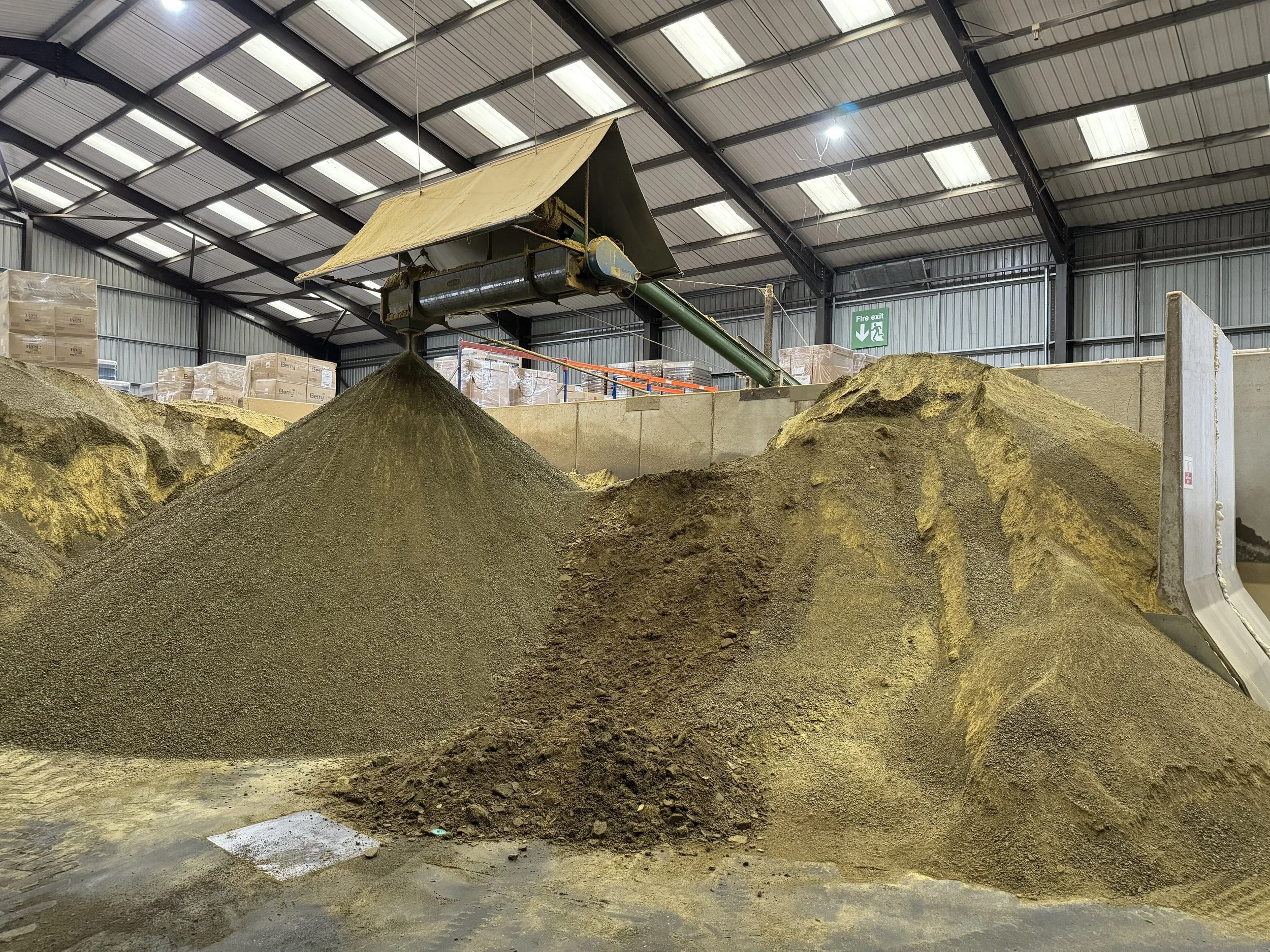

Case Study: Salmon Feed Ingredients
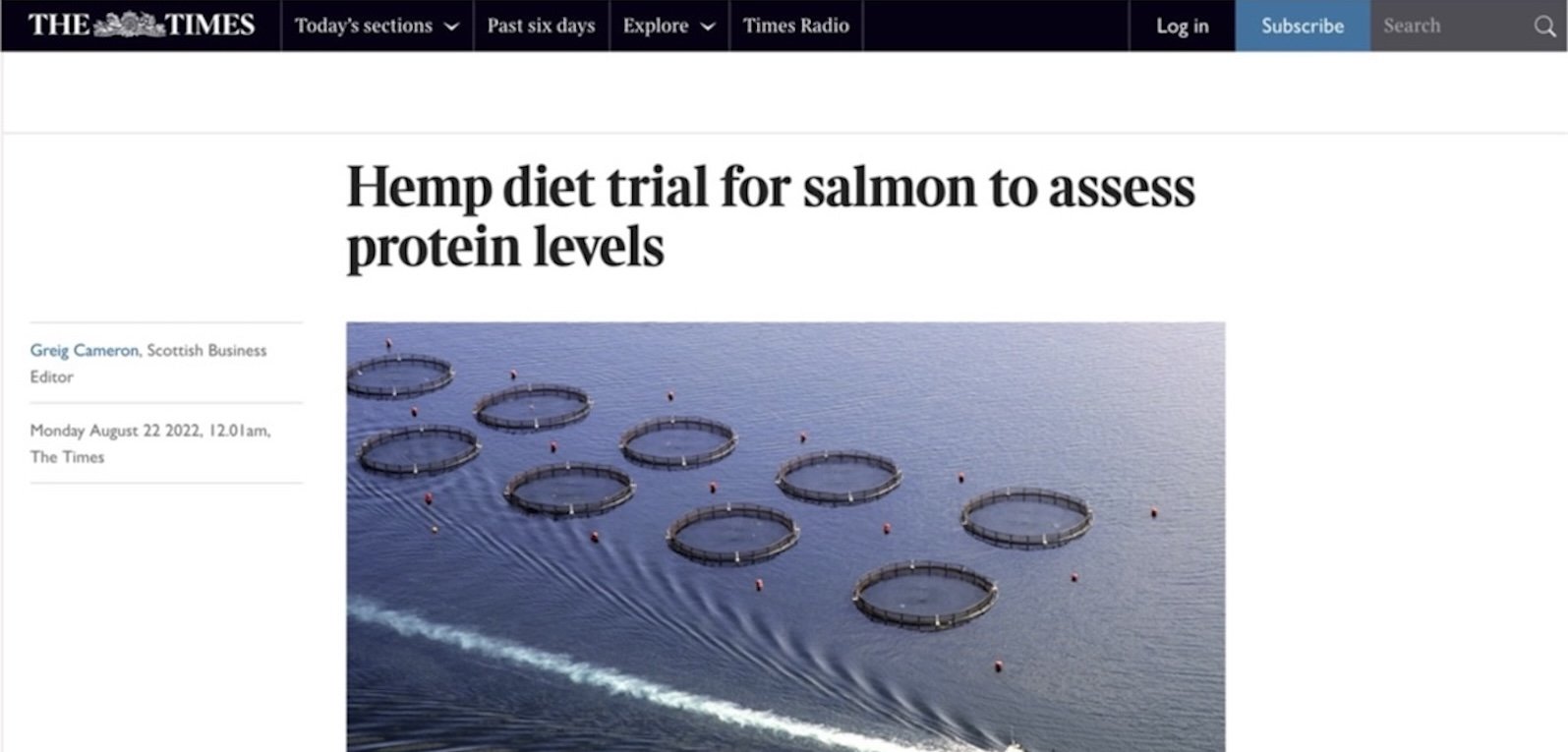
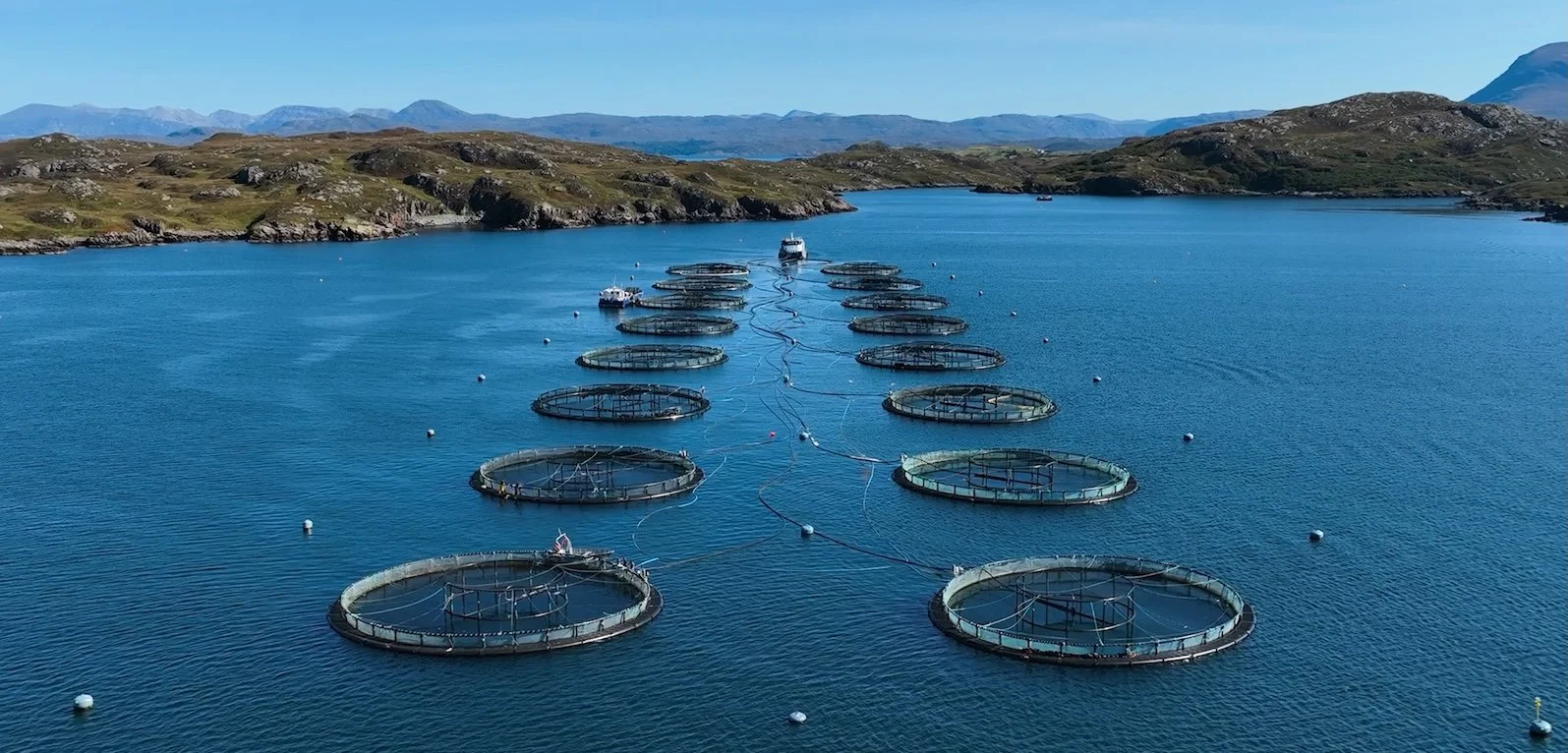
Between 2022 and 2025, Rare Earth Global partnered with Mowi, the world’s largest salmon producer, to validate our protein as a scalable replacement for soy in aqua feed. Using Rare Earth OS, cultivation and processing were coordinated locally in Scotland, reducing logistics emissions while maintaining industrial performance standards.
The trial demonstrated superior feed conversion ratio (FCR) performance compared to soy, approximately 71% lower emissions, and no compromise on fish welfare or quality. The project validated Rare Earth’s model for localising global commodity supply chains through coordinated digital infrastructure.
Customers: Mowi gained access to a low-carbon, traceable soy alternative capable of supporting both supply chain resilience and Scope 3 reduction targets.
Processors: Full plant utilisation enabled multiple revenue streams from proteins and fibre materials while improving facility throughput by 20%.
Growers: Cultivation delivered lower input requirements, reduced water usage, and improved subsequent crop performance (5-15%) through natural soil regeneration.